

joe hollier & the light phone 2.0
Doing Less on Purpose: Joe Hollier on Building The Light Phone Against the Attention Economy
We're creating space for the brains behind the brands we love, and asking good questions along the way. The result is a deep dive into the how and why of brand-building, from blueprints to launch day, customers as community and the detours in between. Big lessons, easy listening.
the Show Notes
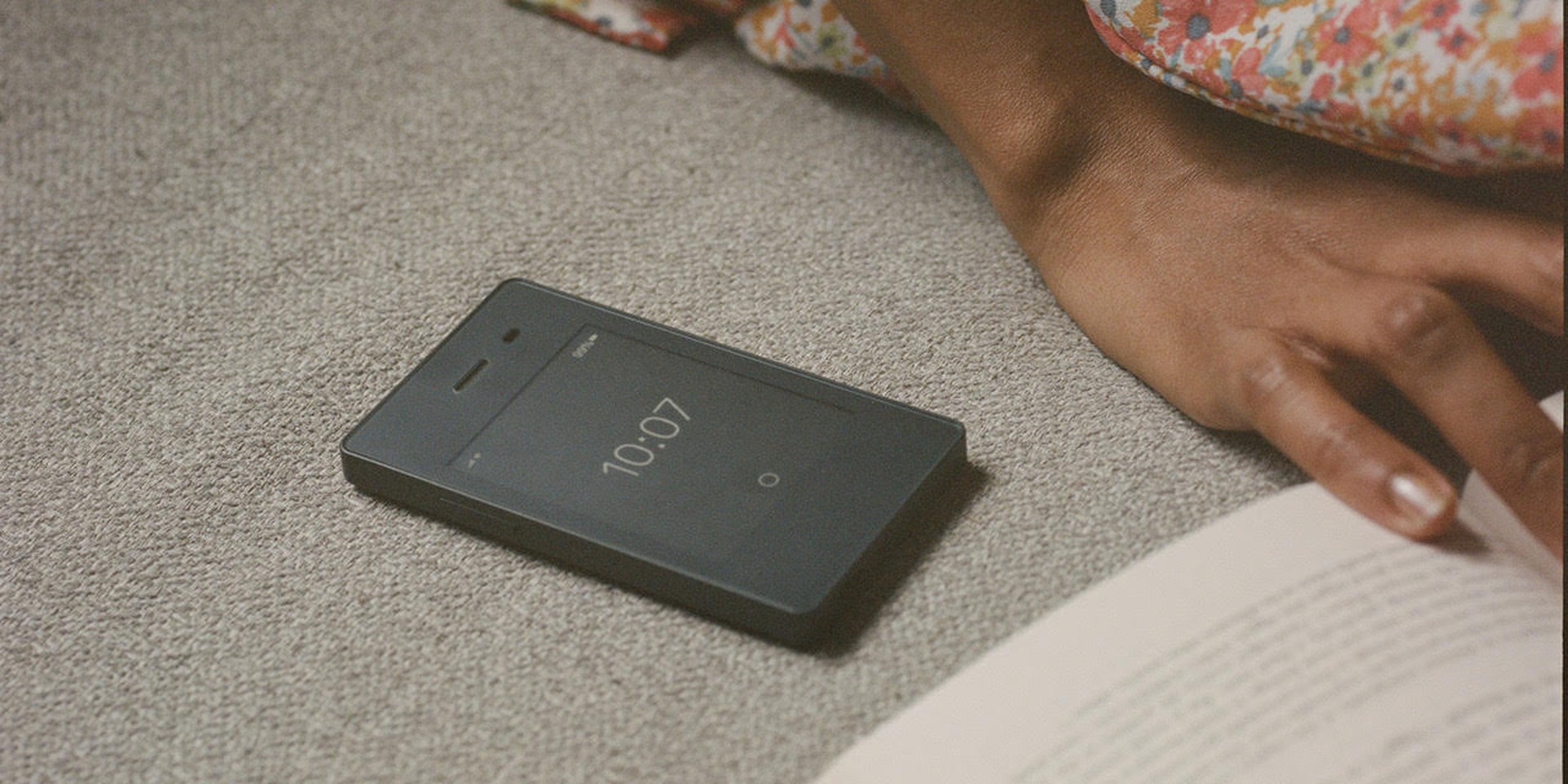
In this episode of Read Receipt, Sean reconnects with Joe Hollier, co-founder of The Light Phone, the intentionally simple phone built to do less on purpose. It handles calls, texts, maps, and music, with no social media, email, or browser to check or recheck.
More than two years after their first conversation, Joe catches Sean up on what has changed. The Light Phone III is now the flagship, and the company just announced a flip phone that ships in 2027.
Joe walks through the brutal supply-chain gauntlet of the last two years: 150 percent tariffs that forced a full production halt, then the AI-driven memory shortage he calls Ramageddon, which pushed a component that normally costs under $40 past $450 and forced another pause and a price increase.
He also gets into the new open-source developer program he is most excited about, why a younger crowd is opting out through movements like the Summer of Ludd, and how a $299 flip phone and a $25-a-month plan try to lower the barrier for first-time and kids' phones.
Keywords
the light phone, joe hollier, kaiwei tang, dumbphone, digital minimalism, attention economy, light phone iii, flip phone, light os, tariffs, ram shortage, foxconn, developer program, open source, summer of ludd, digital wellbeing, read receipt, antidote
Takeaways
- Build against the grain. Investors never wanted a business that is honest about being less infinitely scalable, but Joe sees the anti-attention-economy position as exactly where the real opportunity is.
- The supply chain is the hardest part of the business. 150 percent tariffs forced a full production halt, then the AI-driven Ramageddon memory shortage pushed a sub-$40 component past $450, forcing another pause and a price increase.
- Open it up. A new developer program and software developer kit let users build their own free, open-source tools for the Light OS, and it has unlocked fast progress after years of a software bottleneck.
- Meet the cultural moment. A younger audience is actively opting out through movements like the Summer of Ludd, MAMA, and Wait Until 8th, and the new flip phone leans into that: a phone that is obviously not a smartphone.
- Lower the barrier. A $299 flip and a $25-a-month bundled contract offering aim at first-time and kids' phones without the smartphone price tag.
- It is not a magic fix. The phone removes the excuses and hands back the hours, but you still have to decide what to do with them, which is why Joe tells new users to make a bucket list first.
Sound Bites
- There's no social media, email, internet browser. So it's just nothing that you'd wanna check or recheck. Everything on there has a clear intentional purpose and a start and end point.
- We've always been going against the grain, which naturally has challenges. But I also think that's where the real opportunity lies.
- Kaiwei likes to say it feels like we're entering that phase of the cigarette industry where it's fully being acknowledged, across all avenues, that smoking is bad for you. Scrolling is bad for you.
- The Light Phone doesn't magically change your life, but it might give you the space and take away all of the excuses you had before for not doing it.
- Most things worth doing probably aren't easy.