

Daniel Goetz & GoodPop
Deeper, Not Wider: How Daniel Goetz Bootstrapped GoodPop for 17 Years
We're creating space for the brains behind the brands we love, and asking good questions along the way. The result is a deep dive into the how and why of brand-building, from blueprints to launch day, customers as community and the detours in between. Big lessons, easy listening.
the Show Notes
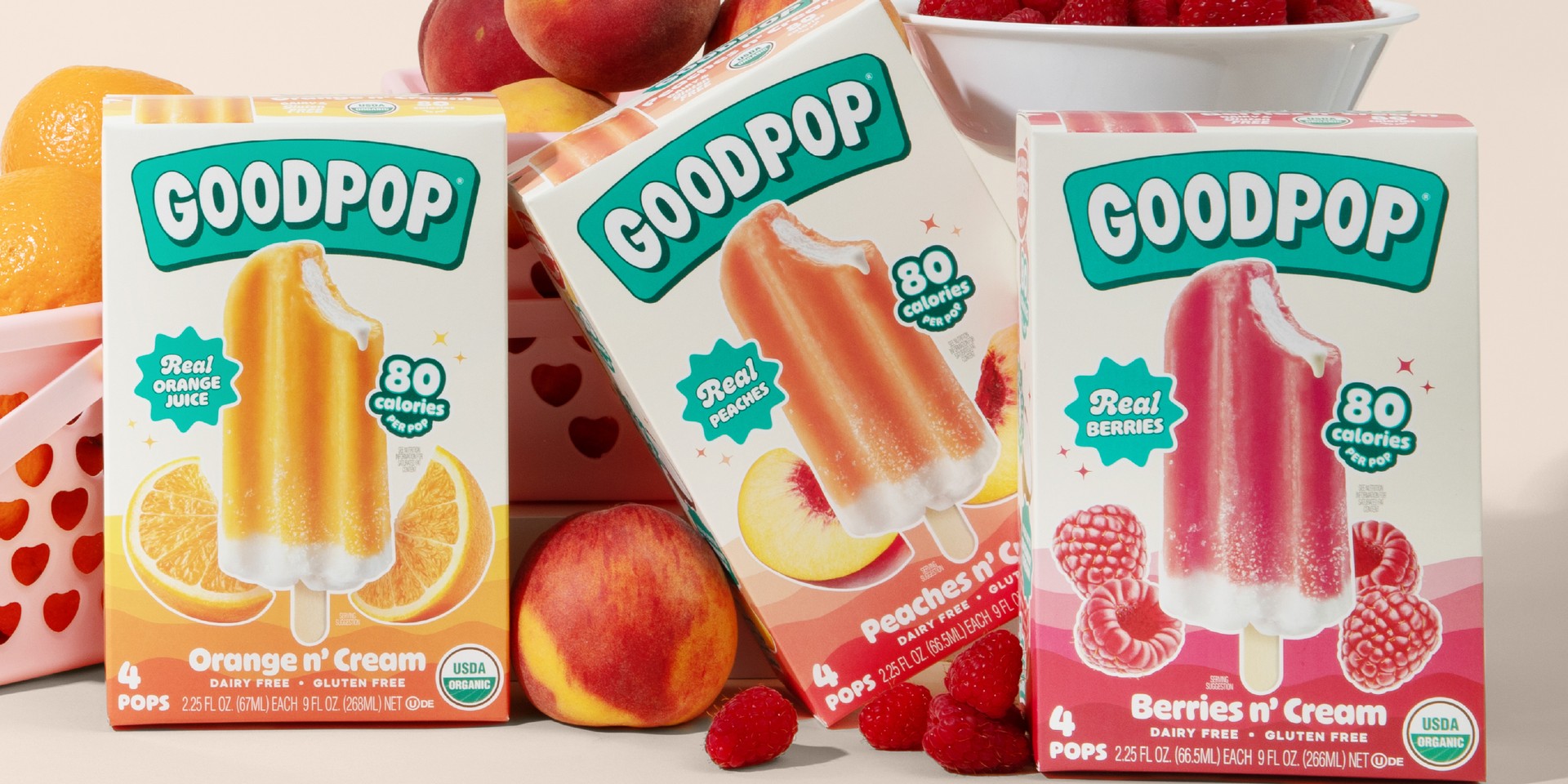
In this episode of Read Receipt, Sean sits down with Daniel Goetz, founder and CEO of GoodPop, the Austin frozen pop brand making cleaned-up versions of the classics: creamsicles, bomb pops and strawberry shortcakes, built on real fruit and simple ingredients.
Daniel started GoodPop as a senior at the University of Texas at Austin in 2009, after a trip to Mexico and a fresh fruit paleta from a street cart. He funded the first batches with his middle school lawn mowing savings and sold pops at farmers markets and the Austin bat bridge. Then came Austin City Limits, the festival he planned the whole launch around: 18,000 pops made over three weeks, cold rain, and four sold. A 3am fix to the website the next year turned into a 50,000-pop order and the money to print the first boxes.
He also gets into why GoodPop stayed bootstrapped for 17 years, why the goal was always to be the best performer in every store and never the fastest growing, and what in-store sampling teaches you that ads can't. Plus a decade inside the factory protecting product quality, sourcing fruit directly from farmers, keeping a team of 35 lean, and why he finally started asking for advice.
Keywords
goodpop, daniel goetz, frozen pops, popsicles, natural foods, bootstrapped, austin, whole foods, grocery retail, in-store sampling, co-packer, manufacturing, supply chain, fruit sourcing, founder story, read receipt, antidote
Takeaways
- A bad first launch is not the end. The festival washout left Daniel with 17,996 pops and no plan. A small website fix put GoodPop at the top of the search results and brought in the order that relaunched the business.
- Bootstrapping means every move has to pay. Farmers markets, events and custom orders brought in money right away, and that cash funded the move into grocery over about five years.
- Go deeper, not wider. The goal was to be the best selling pop in every store GoodPop was in, never the fastest to add new stores. Fewer retailers, with every shopper in them knowing the brand.
- Sampling is research. Watch a shopper's face. If it doesn't light up when they see the product, you have a packaging problem. If it lights up and then dims after the first bite, you have a product problem.
- Protect the product as you scale. Most frozen pop lines were built for sugar water. It took about 10 years in the factory to make real fruit run through that equipment, with the goal that the product gets better as it grows.
- Seek advice on purpose. Daniel spent his first decade figuring everything out alone. Now he looks for people who have already solved the exact problem in front of him, in a way that feels right.
Sound Bites
- 00:00 "We made 18,000 pops over three weeks... and we sold four of those popsicles."
- 17:08 "You can't be mad at it when you have a pop."
- 19:50 "Best performing in every retailer that we were in, but never the fastest growing."
- 20:35 "For us, it's always been deeper, not wider."
- 23:40 "If their face is lit up and they try the product and that light dims, then you've got a product issue."
- 25:45 "As we scale at GoodPop, the goal is that the product always gets better, not the other way around."
- 32:28 "You can create this consistent product on an inconsistent crop."