

angela vranich & little spoon
First Bites: How Angela Vranich Took Little Spoon From a Tamale Factory to Target
We're creating space for the brains behind the brands we love, and asking good questions along the way. The result is a deep dive into the how and why of brand-building, from blueprints to launch day, customers as community and the detours in between. Big lessons, easy listening.
the Show Notes
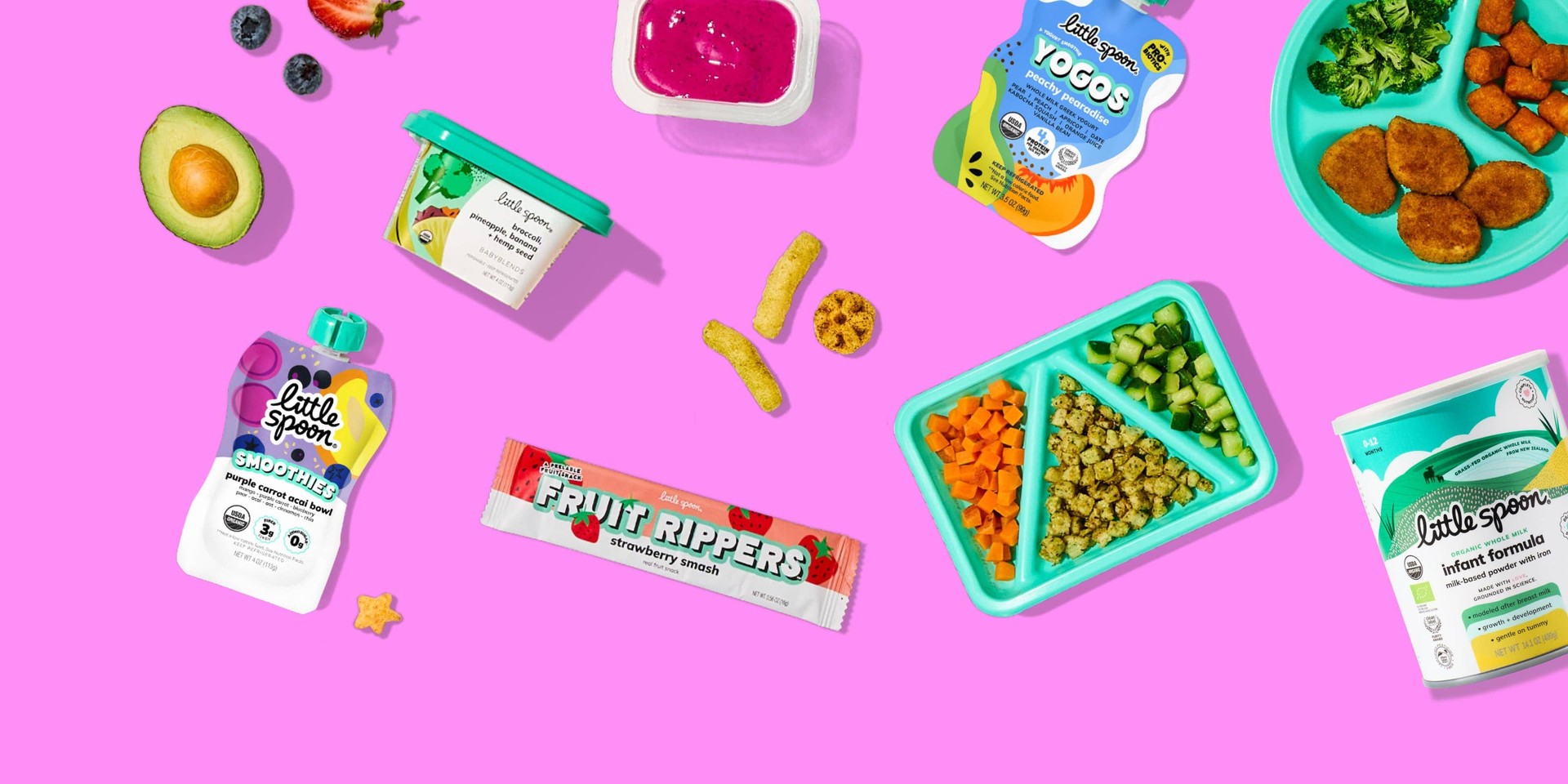
In this episode of Read Receipt, Sean sits down with Angela Vranich, co-founder and Chief Product Officer of Little Spoon, the brand that launched the first fresh baby food in 2017 and now feeds kids from infant formula through big kid snacks.
Angela traces the build from two years of hacking together custom packaging and making baby food by hand in a tamale factory outside LA, to a Whole Foods launch that stalled and a pivot to direct-to-consumer that sold over a million meals in year one. She gets into branding for the parent instead of the kid, Operation Gravity, where every employee spends 45 minutes with a customer once a year, and the Target launch that became the largest food and beverage launch in the retailer's history.
She also digs into why earning a parent's trust on first bites gives you the right to win every category after, launching infant formula to age down with customers, running an operation built on almost 20 co-packers, and how aging up with customers made direct-to-consumer work as ad costs kept rising.
Keywords
little spoon, angela vranich, baby food, fresh baby food, infant formula, kids food, direct-to-consumer, subscription, cpg, food and beverage, target, retail launch, customer retention, read receipt, antidote
Takeaways
- When the retail door closes, go direct. A stalled Whole Foods launch pushed Little Spoon online, where millennial parents were already doing their research, and it sold over a million meals in its first year.
- Brand for the buyer, not the user. The baby food aisle spoke to kids with cartoon characters. Little Spoon spoke to the parent, because the parent makes the purchase.
- Earn trust on first bites. If parents trust you with their child's first food, you earn the right to win the categories that come after.
- Make everyone talk to a customer. Operation Gravity puts every employee on a 45-minute call with a customer once a year, including teams that never otherwise hear from one.
- Age up with the customer to beat rising ad costs. Babies only eat baby food for a few months, so Little Spoon built a platform from formula to big kid snacks. Average order value went from about $50 to over $110.
- Operations can be the moat. No owned manufacturing, almost 20 co-packers and six fulfillment centers, scaled on purpose over years.
- Be choosy when retailers come calling. After Target, retailers now pitch Little Spoon, and the plan is intentional growth, not 10,000 doors overnight.
Sound Bites
- It was a nationwide launch, their largest food and beverage retail launch in the history of the company.
- I can still smell the corn masa, honestly, wafting through the air.
- But the child isn't the one making the purchasing decision, it's the parent.
- If we could get parents to trust us with their first bites of food, we would have a right to win in subsequent categories as their kids were aging up.
- Every single person in the company has a Zoom with a customer for 45 minutes.
- We don't wanna, like, blanket retail and be in 10,000 doors overnight.
- When we launched with just baby food, our average order value was about $50. Today, it's over $110.